Why Some Traders Succeed While Others Fail (And What's Changing in 2026)
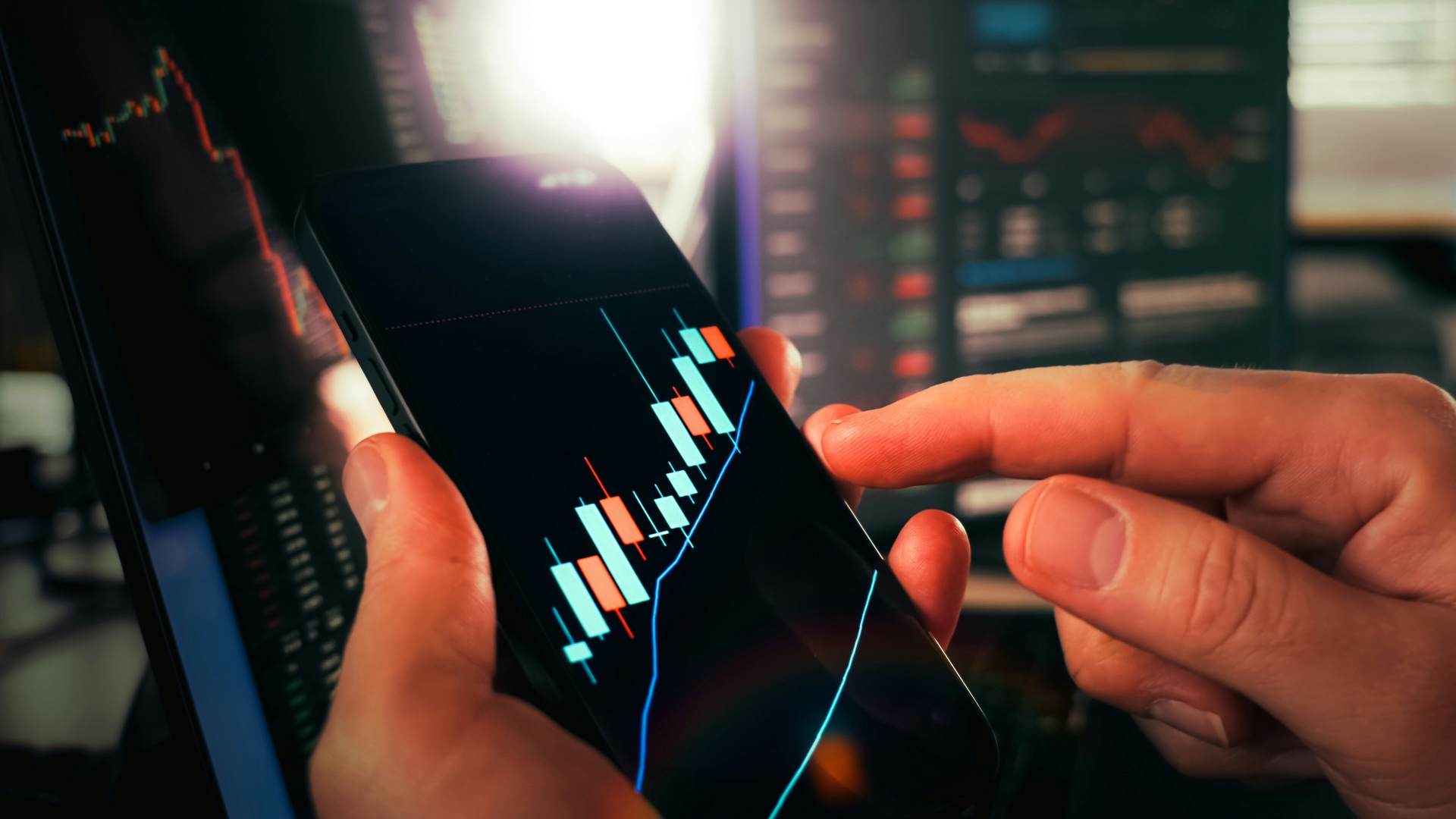
What used to determine trading success is quietly shifting. This isn't about the usual reasons traders fail. It's about what's actually changed — and what that means for you.
Why do traders blow accounts?
It's one of the most common questions in trading.
And the answers are usually predictable.
Poor risk management.
Overtrading.
Emotional decision-making.
Unrealistic expectations.
All true.
But they describe symptoms, not causes.
The better question isn't why traders fail. It's what helps them succeed.
Because something important has changed in trading. And most people haven't fully noticed it yet.
The Old Model
For years, the accepted path was clear.
Learn technical analysis. Study charts. Build a strategy. Refine it. Spend countless hours in front of screens. Eventually become a consistently profitable independent trader.
There is absolutely nothing wrong with that path. Many successful traders have followed it.
But it's no longer the only path.
Not Everyone Wants To Become A Technical Analyst
Not everyone wants to spend years studying market structure. Not everyone wants to sit analysing charts for hours every day. Not everyone wants to become a trading expert.
Many people simply want a structured way to make money from the markets and access opportunities.
That's the reality. And it's changing the way people approach trading.
The Skill Hasn't Disappeared. It's Shifted.
One of the biggest misconceptions about signal-based trading is that it removes skill. It doesn't. It changes where the skill sits.
The traditional trader focuses heavily on analysis. The modern trader often focuses on something different:
Risk management. Position sizing. Trade management. Discipline. Consistency. Emotional control. The ability to follow a plan when emotions say otherwise.
Anyone who thinks that's easy has probably never tried it with real money on the line.
The Real Challenge Was Never Finding Trades
Most traders don't blow accounts because they couldn't find a trade.
They blow accounts because they couldn't manage themselves.
They increase risk after a loss. They cut winners early. They hold losers too long. They abandon the plan after a difficult week. They shift from process to outcome.
The market simply exposes behaviour that already exists.
That's why two people can take the same trade and get completely different results. The signal might be identical. The execution rarely is.
It's Not Just Beginners
One of the assumptions often made about signal trading is that it's only attractive to beginners. That hasn't been my experience.
Spend enough time around traders and you realise something interesting. Not everybody who can analyse markets wants to spend their day analysing markets.
Many experienced traders are drawn to signals for a completely different reason: time.
Finding quality trade opportunities takes work. Market analysis takes work. Monitoring multiple instruments takes work. Some traders are perfectly capable of doing all of those things themselves. They simply choose not to.
Not because they can't. Because they don't always want to.
What Actually Separates The Ones Who Make It
It comes down to three things. None of them are about intelligence or strategy.
One: they have a repeatable setup they actually understand — not a collection of indicators they half-trust.
Two: they protect their downside as if their account depends on it — because it does. Risk per trade isn't a number they argue about. It's a ceiling they don't cross.
Three: they don't trade alone. Even the most disciplined trader drifts when isolated. The ones who stay consistent are the ones who have other people watching, sharing, and keeping them honest.
A New Breed Of Trading Community Has Emerged
Not all signal trading communities are created equal.
But something interesting has happened over the last few years. A new breed of trading community has emerged — one that goes far beyond simply sending buy and sell signals.
The focus has shifted towards education, live trading, trade management, mindset, accountability and community. The goal isn't just trade ideas. The goal is to help people develop the skills and behaviours that support long-term success in the markets.
I've seen this first-hand in our own community. Every week, people join live trading sessions, technical trainings and mindset calls. Some want to become independent traders. Others are perfectly happy focusing on structured execution while experienced traders provide the analysis and trade ideas.
Both approaches can coexist within the same ecosystem.
Trading Is No Longer Tied to a Desk
Today, many traders are operating entirely from their phone. Monitoring positions. Receiving signals. Managing trades. Adjusting risk. All without needing to be physically tied to a laptop or trading desk.
Trading becomes more portable. More flexible. More integrated into daily life rather than separated from it.
This doesn't remove responsibility. It doesn't remove discipline. If anything, it demands more of both — because now execution happens in the middle of real life, not in a controlled environment.
What This Means For 2026
The barrier to entry is lower than it has ever been. The barrier to actually doing this well is exactly where it has always been: in the head of the person clicking the button.
Trading is still trading. Risk still matters. Discipline still matters. Consistency still matters.
But how people access markets, how they participate, and how analysis, execution and behaviour are handled has changed significantly.
You don't need a desk, a fund, or a finance degree. You need a clear setup, a strict risk rule, and a community that takes the craft seriously.
That's the shift most people haven't fully noticed. And it's still happening.